
The Home Inspection: What It Covers and What It Misses on a House in Stoney Creek or Hamilton
A showing tells you how a house looks. An inspection tells you what it may cost you. It is still not a guarantee, and many buyers rely on it as if it were.
This guide covers what a standard inspection includes, where it stops, the extra checks worth adding in Stoney Creek and Hamilton, and how it fits into your offer.
What a standard inspection covers, and where it stops
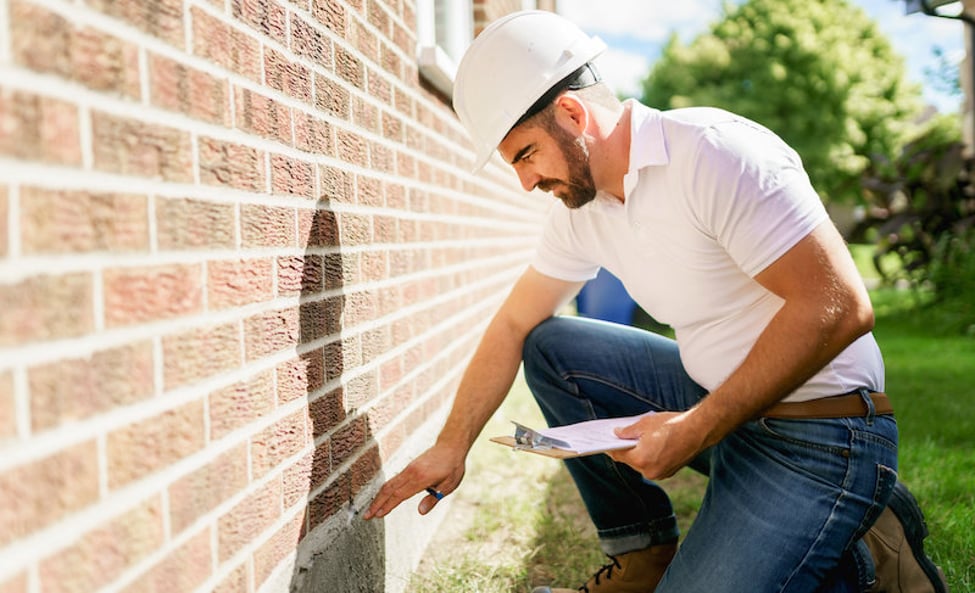
A home inspection is a visual review of what the inspector can reach and see: roof, structure, exterior, electrical, plumbing, heating and cooling, insulation and ventilation, and the interior. RECO, Ontario's real estate regulator, says it typically takes two to three hours and recommends that you attend.
- Nothing is opened up. The inspector does not cut into walls or move furniture, so hidden defects can be missed.
- It is not a building code check and not a warranty.
- Underground items, wells, septic systems and environmental hazards such as mould, asbestos and radon are outside the standard scope.
Who does it, and what it costs
Home inspectors are not licensed in Ontario. The province passed the Home Inspection Act in 2017, but it has not been brought into force. As of October 2026, the Ontario government says there are no mandatory requirements for inspectors, and insurance is not required by law. That is why we provide reputable inspectors who our past clients trust. If you would rather choose your own, here is what to check:
- Association membership. Look for membership in a recognised association, such as the Ontario Association of Home Inspectors (its designation is Registered Home Inspector, or RHI), the Canadian Association of Home and Property Inspectors, or InterNACHI.
- Insurance. Ask whether they carry it, including errors and omissions coverage.
- A sample report. Ask to see one, and ask how long they spend on site.
The Ontario government puts typical fees at $350 to $600, and higher for a larger house or one in poor condition (checked October 2026).
Extra checks a standard inspection leaves out
| Check | What it is | When it matters |
|---|---|---|
| Sewer camera | A camera run through the drain line from the house toward the street. | Older houses and lots with mature trees. Roots are a common cause of cracked lines and back-ups, and the section on your property is yours to repair. |
| WETT inspection | A check of a wood-burning fireplace or stove by a WETT-certified professional. | Any wood-burning appliance. Insurers may ask for it. |
| Septic and well | A septic inspection, plus a water test. Public Health Ontario tests well water for bacteria at no charge. Other contaminants need a private accredited lab. | Rural properties, including parts of rural Stoney Creek, that are not on city water and sewers. |
| Radon | A test for a radioactive gas that enters from the ground. Health Canada's guideline is 200 Bq/m³, and it recommends a test of at least three months. | Any house, but it will not fit inside an offer condition. Test after you move in. |
Older houses in Hamilton and lower Stoney Creek
An inspector may flag items that affect your insurance as well as your repair budget. None is automatically a reason to walk away, but each should be priced before your offer goes firm.
- Knob-and-tube wiring. The Electrical Safety Authority (ESA) says it can be safe if properly maintained, but many insurers will not cover it or will require replacement.
- Aluminum wiring. Possible in houses built from the mid-1960s to the late 1970s. It is safe when connections are done properly, and some insurers want an ESA inspection.
- 60-amp service and galvanized steel plumbing. An insurer may require an upgrade or replacement.
- Lead water service line. The City of Hamilton says some houses built before the mid-1950s have one. The section from the property line to the meter belongs to the owner, and the City offers a loan, repaid on the water bill, to help replace it.
- Vermiculite and asbestos. Health Canada says vermiculite insulation may contain asbestos, and that asbestos materials in good condition pose no significant risk if left undisturbed. The cost comes when you renovate.
- Buried oil tank. Ontario rules require an unused underground tank to be removed by a registered contractor.
Call an insurance broker during the condition period, not after it.
Newer houses and new builds
A newer house is not exempt. The inspector still checks grading and drainage, attic insulation and ventilation, and unfinished work.
A brand-new house from a builder works differently. Before possession, the builder walks you through a pre-delivery inspection (PDI) and records anything incomplete, damaged, missing or not working on the PDI form. You can have someone attend with you or in your place, and some buyers bring a home inspector. Our guide to new build versus resale covers the rest.
How the inspection fits into your offer
An inspection condition gives you a set number of days to inspect. If the report raises problems, you can generally proceed, ask the seller for a repair or a lower price, or, if the wording allows it, end the deal within the condition period. Your agent drafts that wording and your lawyer confirms what it permits.
When buyers are competing, some inspect before offering so they can leave the condition out. Others waive it and take on the risk. RECO's warning is that an accepted unconditional offer is a firm and binding contract, so a defect found later is your cost. Our guide to making an offer covers conditions and deposits, and how the home buying process works shows where the inspection falls.
Who should not skip it
- First-time buyers. You have no earlier house to compare against.
- Anyone buying an older house. The list above is where the large bills come from.
- Anyone stretching their budget. If the monthly cost only just works, a new roof or furnace in the first year is hard to absorb.
A pre-offer inspection is not right for everyone. You pay for it even if your offer is not accepted.
Browse houses for sale
- Houses for sale in Stoney Creek
- Houses for sale in Stoney Creek Mountain
- Houses for sale in Fifty Point
Frequently Asked Questions
How much does a home inspection cost in Ontario?
The Ontario government gives a range of $350 to $600, and more for a larger house (checked October 2026). Sewer camera, WETT, septic and water tests are quoted separately.
Are home inspectors licensed in Ontario?
No. The Home Inspection Act, 2017 was passed but is not in force. That is why we provide reputable inspectors who our past clients trust.
How long does a home inspection take?
RECO says an inspection typically takes two to three hours.
Does a home inspection check for mould, asbestos or radon?
Not as part of the standard scope. Environmental hazards need separate testing.
Can I back out after a bad home inspection?
Only if your offer included an inspection condition, its wording allows it, and you act within the condition period. Your agent and lawyer confirm what it permits.
Want to talk through the inspection for a specific house? Get in touch and we will go through it with you.
This guide is general information, not legal, insurance or building advice. Rules, programs and fees change, so confirm the details with your agent, lawyer, insurance broker and inspector.